
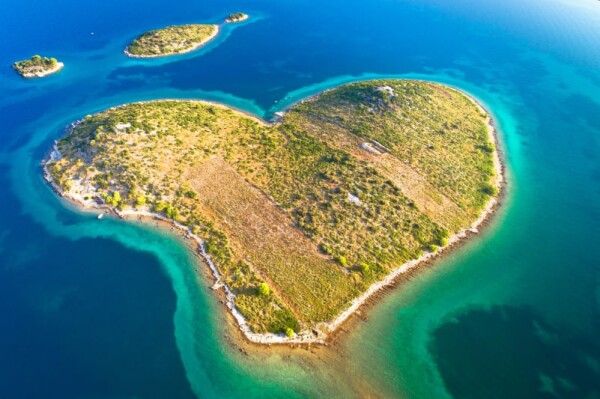
Šibenik - Šibenik Sailing Route | 2 Weeks
Experience the ultimate Adriatic adventure on this two-week sailing route from Šibenik to Dubrovnik and back, where every day brings a new blend of history, culture, and natural beauty. Glide through the sparkling Dalmatian waters as you visit charming coastal towns, hidden coves, and iconic islands like Hvar, Korčula, and Vis, each offering unique landscapes, vibrant local life, and authentic Mediterranean cuisine.
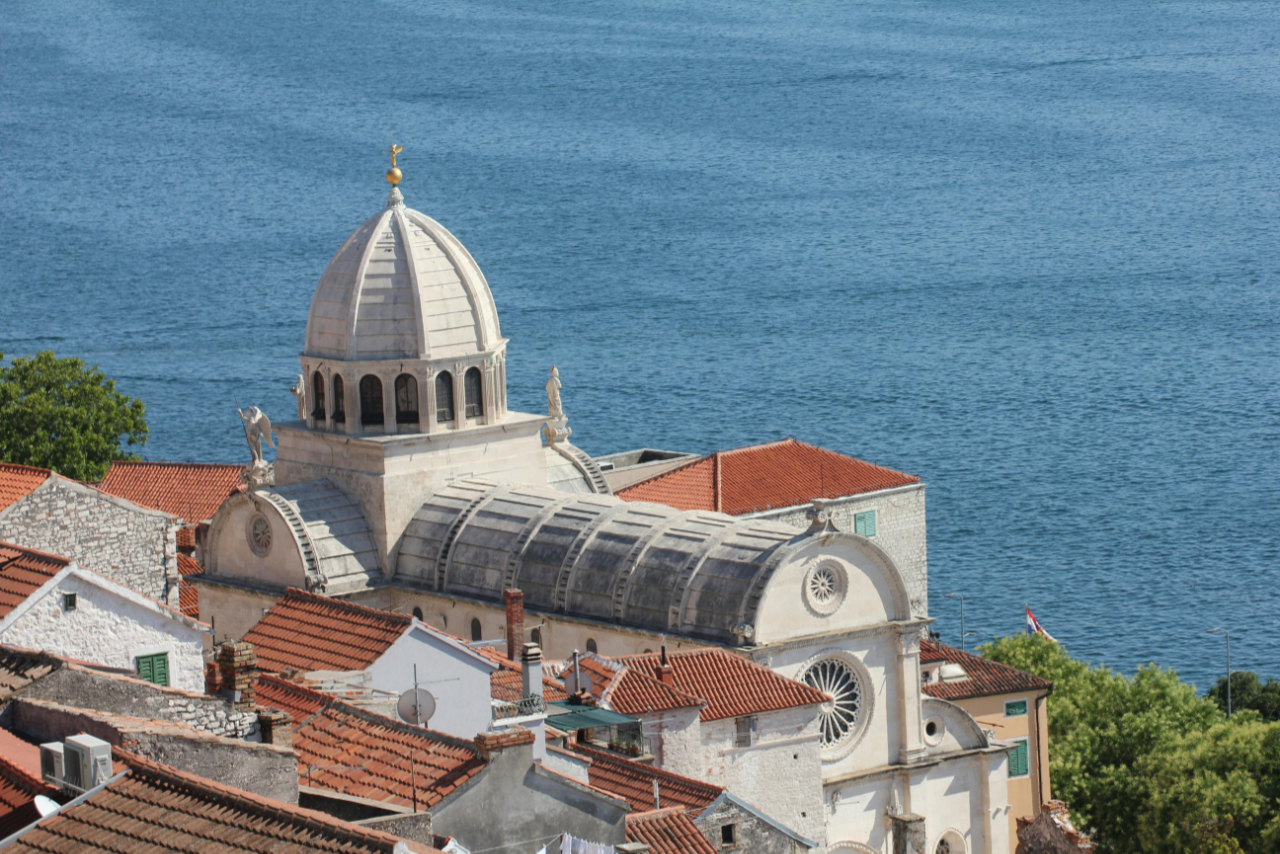
Day 1: Šibenik to Primošten
After check-in in Šibenik, the voyage begins with a gentle sail along the central Dalmatian coast toward the picturesque peninsula of Primošten. Once a small fishing village connected to the mainland by a narrow stone causeway, Primošten charms visitors with its tightly clustered stone houses climbing toward the hilltop Church of St. George. From the harbor, a short walk leads through winding streets lined with traditional konobas, boutique wine shops, and terraces overlooking the Adriatic.
Primošten is also famous for its vineyards, where ancient stone walls protect the vines from wind and sun. Many local restaurants proudly serve wines made from the indigenous Babić grape, paired with freshly caught seafood and Dalmatian specialties. Dining along the waterfront as the sun sets over the open sea provides the perfect introduction to the relaxed rhythm of sailing the Croatian coast.
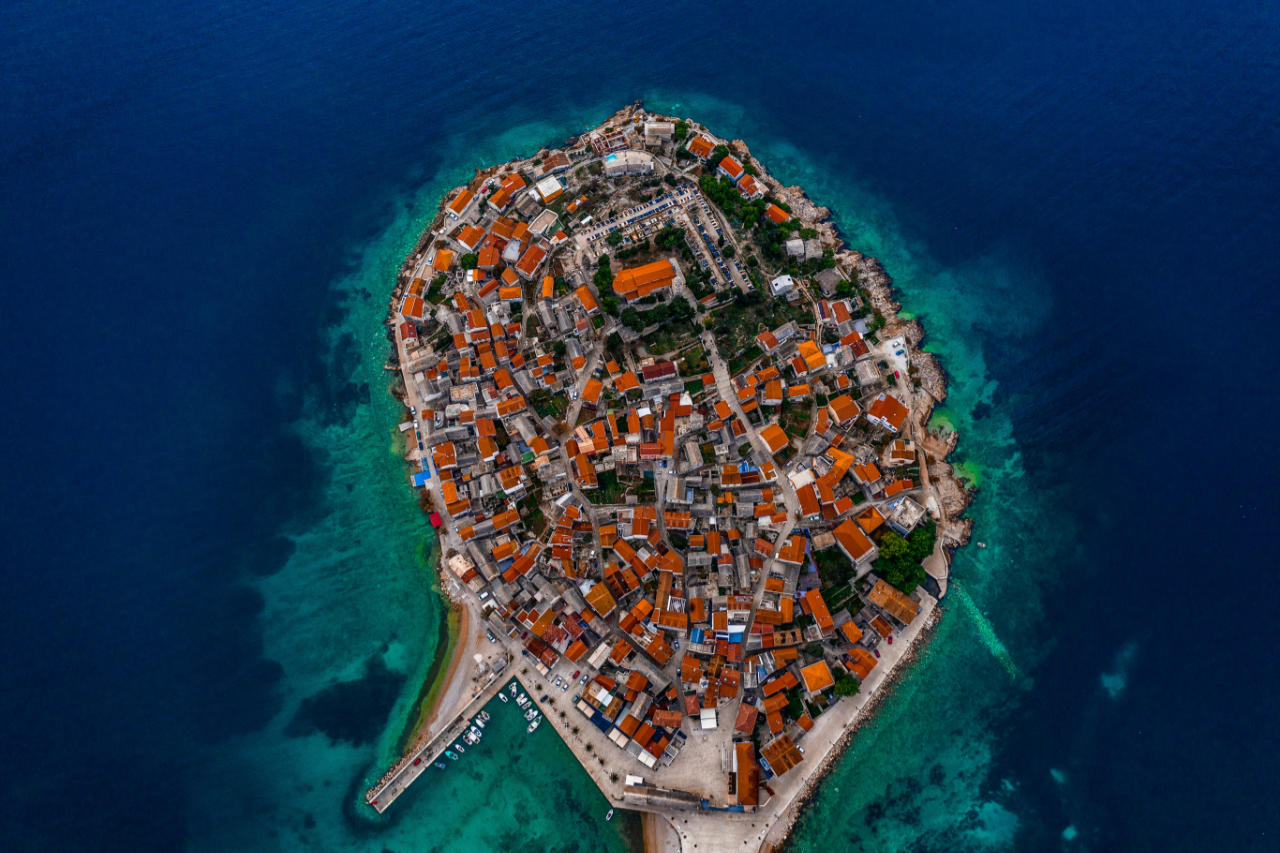
Day 2: Primošten to Milna (Island of Brač)
The morning sail toward the island of Brač leads to Milna, a serene harbor often called the safest natural port on the island. The deep bay has sheltered sailors for centuries, and today its elegant marina and quiet waterfront promenades offer a peaceful atmosphere away from the busier island towns. Stone houses, small chapels, and palm-lined quays give Milna a timeless Mediterranean charm.
Strolling through the village reveals cozy restaurants serving grilled fish, octopus salad, and locally produced olive oil. Brač is also known for its excellent wines, and several nearby wineries offer tastings of regional varieties. As evening settles in, the calm marina and soft glow of harbor lights make Milna a tranquil stop for the night.
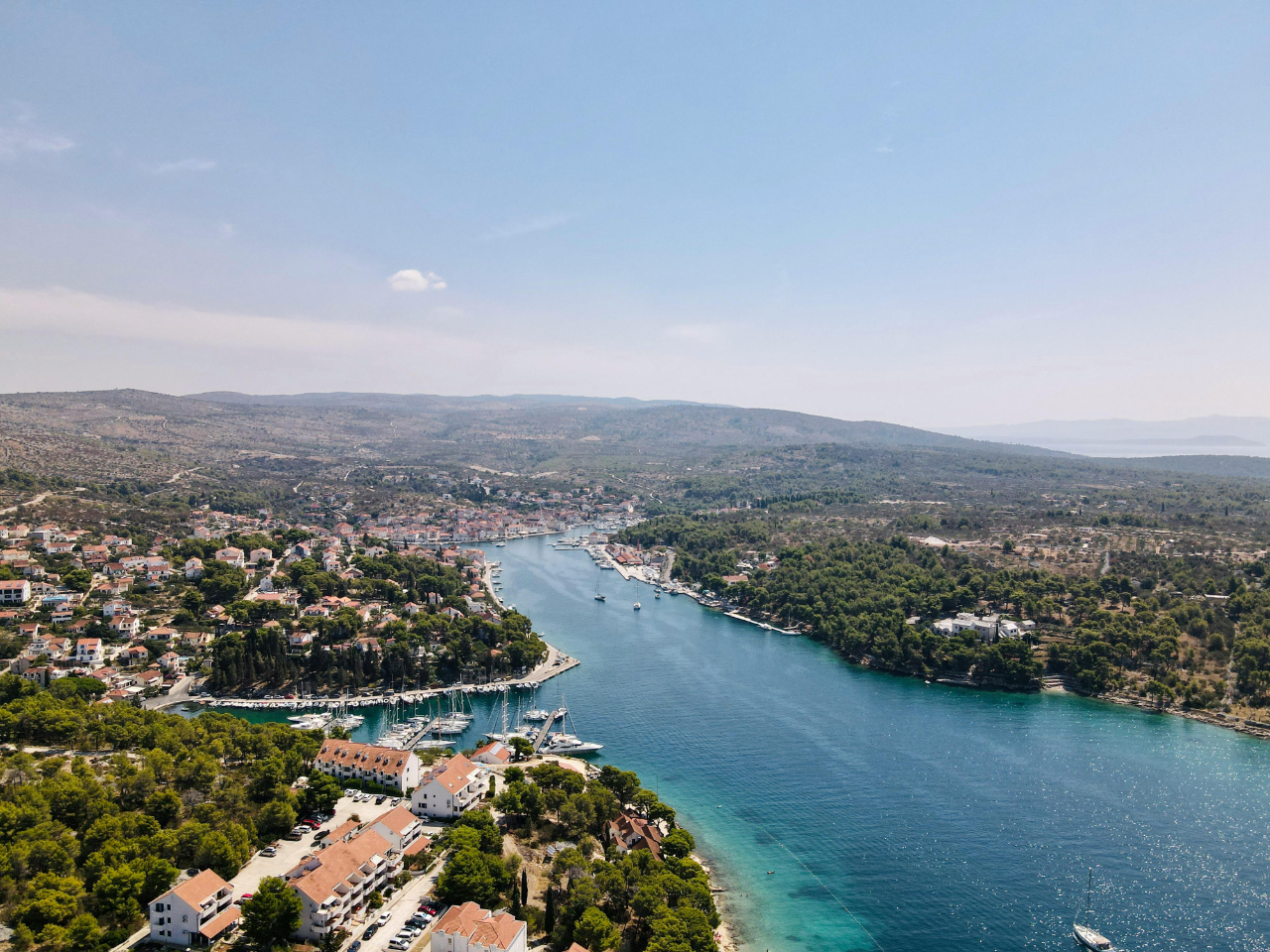
Day 3: Milna to Vis (Island of Vis)
Sailing further south across the open Adriatic brings you to the island of Vis, one of Croatia’s most captivating destinations. Once a strategic military base closed to foreigners for decades, Vis has preserved an authentic island lifestyle and remarkable natural beauty. Arriving in Vis Town, yachts dock along a charming harbor framed by pastel-colored houses, palm trees, and historic stone buildings.
The town invites exploration with its blend of Venetian architecture, small museums, and relaxed waterfront cafés. Just a short walk inland leads to traditional konobas serving peka, freshly grilled fish, and local white wines from the island’s vineyards. Vis is also famous for its culinary heritage, including the beloved Viska pogača, a savory pie filled with salted fish, onions, and herbs.
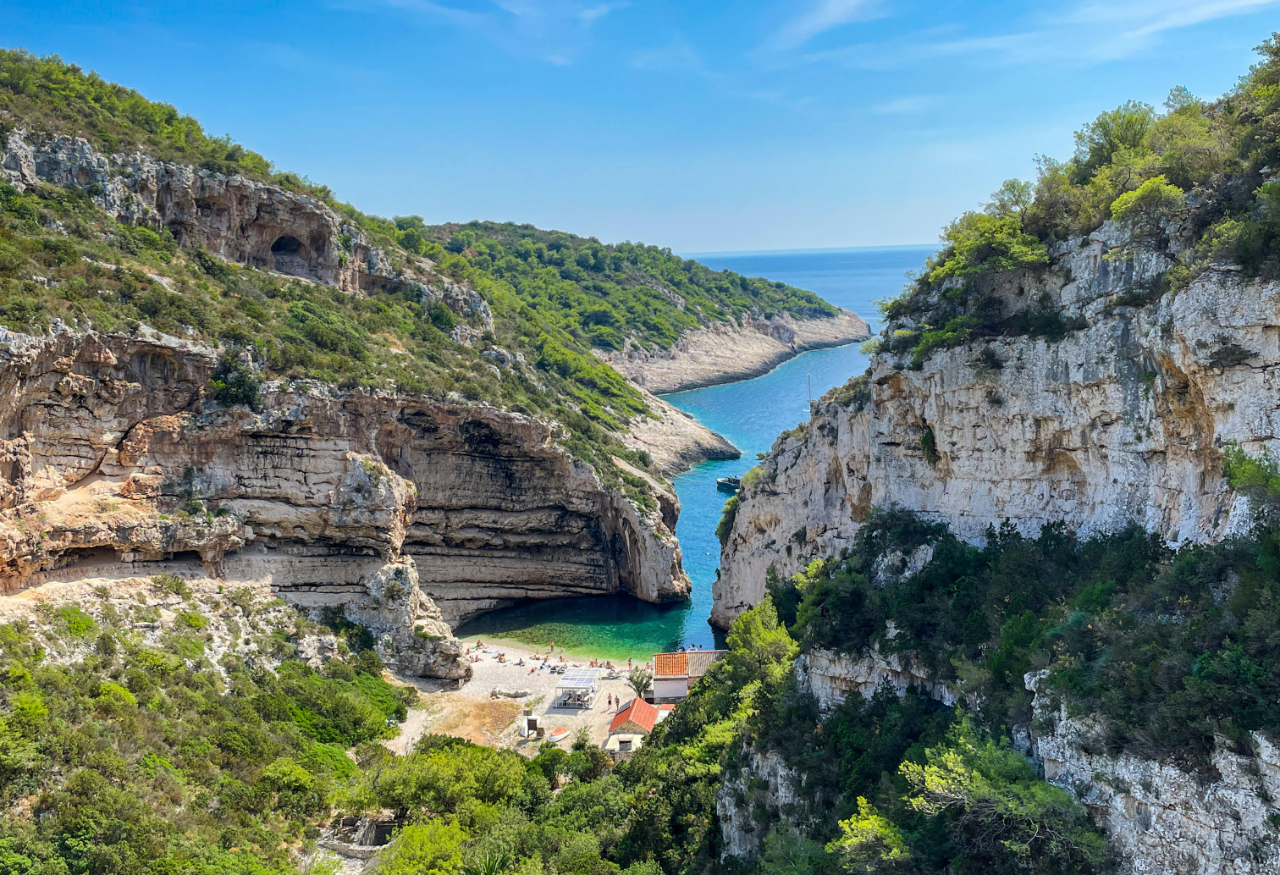
Day 4: Vis to Komiža and the Blue Cave (Biševo Island)
After breakfast, the journey continues along the southern coast of Vis to the enchanting fishing town of Komiža. Before arriving, many sailors detour to nearby Biševo Island to visit the legendary Blue Cave, where sunlight reflecting through an underwater opening fills the cavern with glowing sapphire light. It is one of the Adriatic’s most famous natural wonders and a highlight of the entire sailing route.
Komiža itself feels wonderfully untouched by time. Colorful fishing boats line the harbor, and narrow alleys lead to hidden courtyards and traditional stone houses. The town has a rich maritime history, reflected in its fishermen’s museum and the historic Venetian towers guarding the harbor. Local restaurants are renowned for lobster, grilled fish, and dishes prepared with ingredients sourced directly from the surrounding sea.
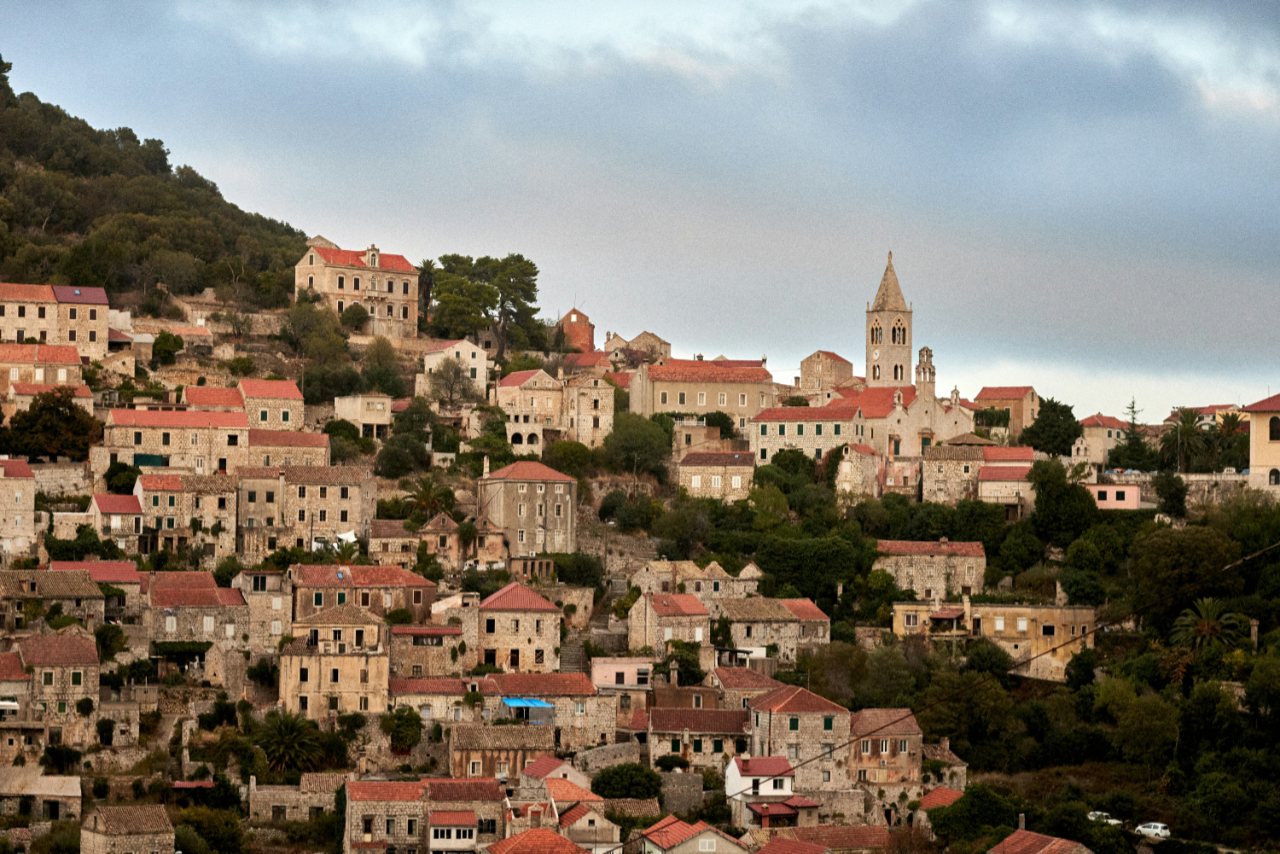
Day 5: Komiža to Lastovo (Skrivena Luka)
The sail toward Lastovo leads to one of the most remote and pristine island groups in Croatia. Much of the archipelago is protected as part of Lastovo Nature Park, ensuring that its forests, crystal-clear waters, and traditional villages remain remarkably preserved. Anchoring in Skrivena Luka, meaning “Hidden Harbor,” reveals a tranquil bay surrounded by pine-covered hills.
This peaceful anchorage offers a perfect escape into nature. Nearby stands the historic Struga Lighthouse, perched dramatically above the cliffs with sweeping views of the open sea. On shore, small family-run restaurants serve simple but unforgettable island cuisine, often featuring freshly caught fish, local olive oil, and wines produced in small island vineyards.
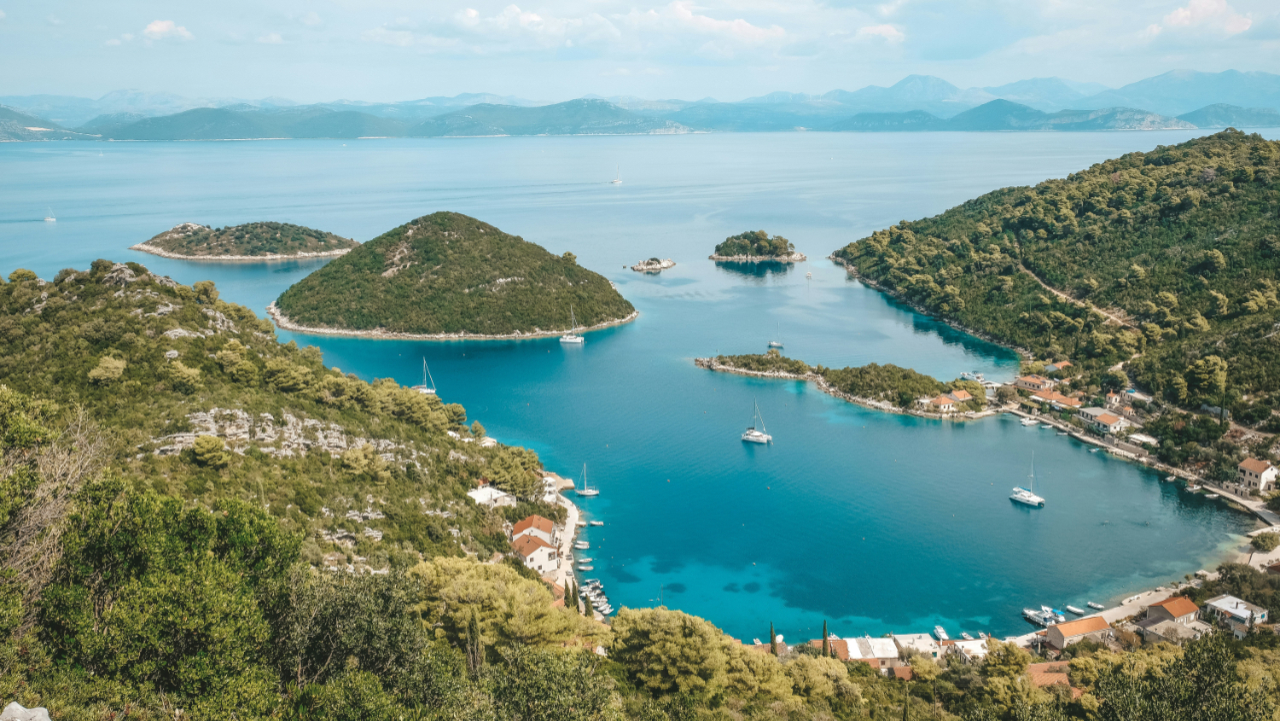
Day 6: Lastovo to Mljet (Polače)
From Lastovo the route continues to Mljet, often described as one of the greenest islands in the Adriatic. Much of the island is protected within Mljet National Park, famous for its dense forests and two saltwater lakes. Anchoring in the sheltered bay of Polače places you right at the entrance to this extraordinary landscape.
Cycling or walking around the tranquil lakes reveals hidden coves, forest paths, and the iconic Benedictine monastery located on a small island in the middle of Veliko Jezero. After a day exploring nature, the waterfront restaurants in Polače offer fresh seafood and locally produced wines, with terraces overlooking the quiet bay where yachts gently sway at anchor.
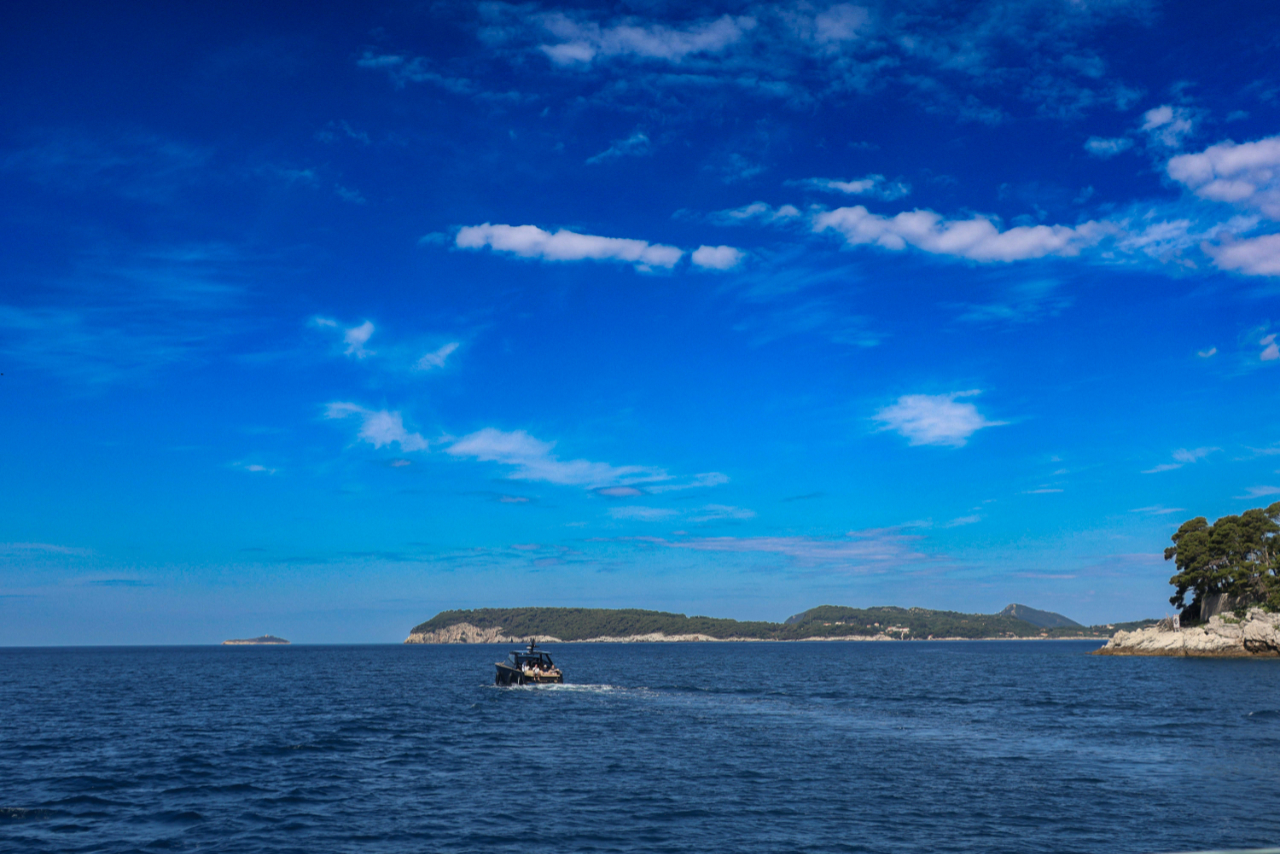
Day 7: Mljet to the Elafiti Islands (Lopud)
Leaving Mljet behind, the voyage continues toward the Elafiti Islands, a small archipelago northwest of Dubrovnik known for their peaceful atmosphere and lush landscapes. Lopud, one of the most beautiful islands in the group, welcomes visitors with a car-free environment and a picturesque harbor framed by palm trees and historic stone villas.
A walk through the island reveals old monasteries, Renaissance summer residences, and gardens filled with citrus and bougainvillea. Just across the island lies Šunj Beach, a rare sandy beach in southern Dalmatia with shallow turquoise water perfect for swimming. In the evening, restaurants along the waterfront serve Dalmatian classics accompanied by views of the surrounding islands.
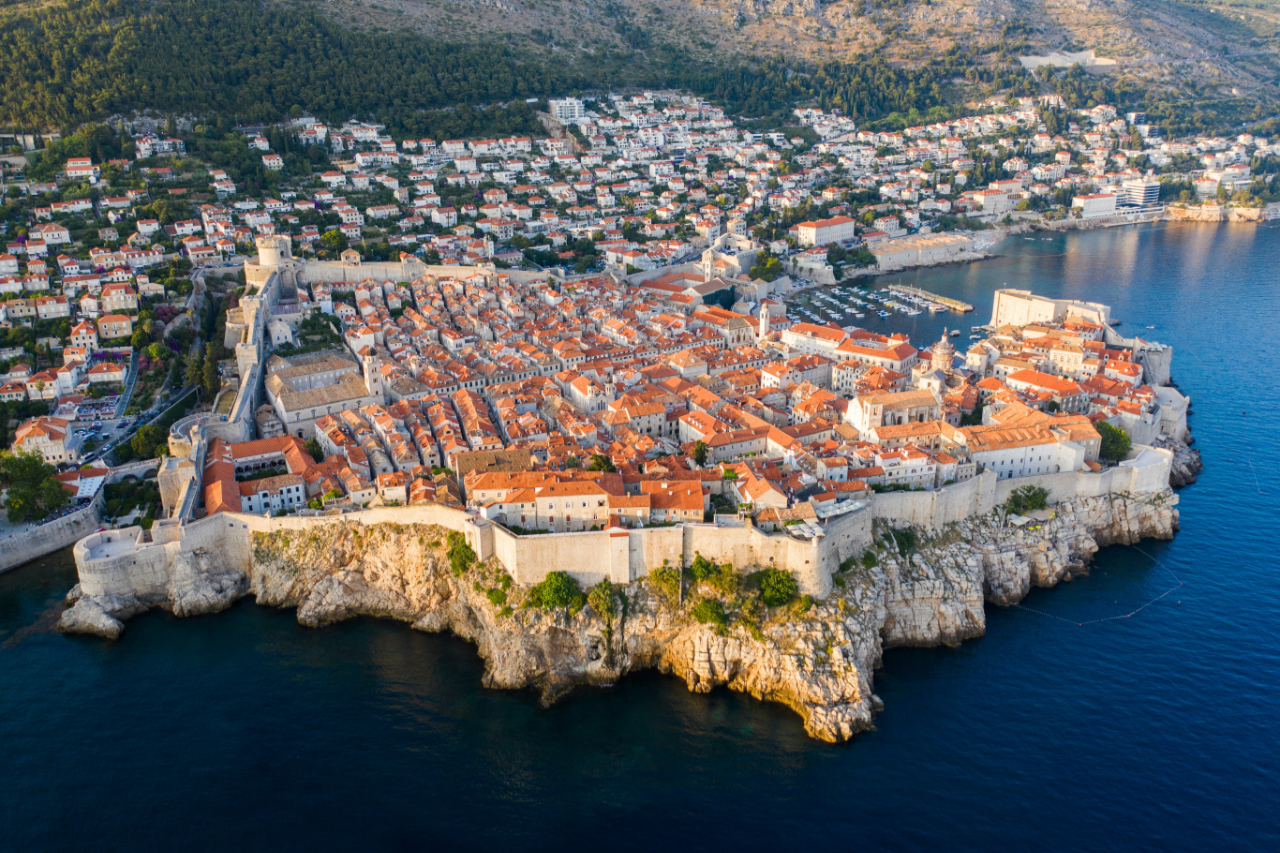
Day 8: Lopud to Dubrovnik
The sail toward Dubrovnik offers one of the most spectacular approaches in the Adriatic. As the city walls appear rising above the sea, it becomes clear why Dubrovnik is often called the “Pearl of the Adriatic.” Docking at ACI Marina Dubrovnik allows easy access to the historic Old Town, a UNESCO World Heritage site filled with architectural masterpieces.
Walking along the famous medieval walls reveals breathtaking views of terracotta rooftops and the deep blue Adriatic. Inside the city, polished limestone streets lead past landmarks such as the Rector’s Palace, the Franciscan Monastery, and elegant baroque churches. Dining in Dubrovnik offers everything from traditional Dalmatian seafood to refined Mediterranean cuisine served on atmospheric terraces within the ancient walls.

Day 9: Dubrovnik to Slano
The morning invites further exploration of Dubrovnik before setting sail toward the tranquil bay of Slano. Many visitors choose to wander the Old Town’s narrow alleys, browse artisan shops, or take the cable car to Mount Srđ for panoramic views over the city and nearby islands.
Slano provides a peaceful contrast to Dubrovnik’s vibrant energy. Located in a sheltered bay surrounded by olive groves and vineyards, the village has long been a quiet retreat for sailors. Elegant stone villas and small waterfront restaurants create a relaxing atmosphere where guests can enjoy local seafood and wines produced in nearby Pelješac vineyards.
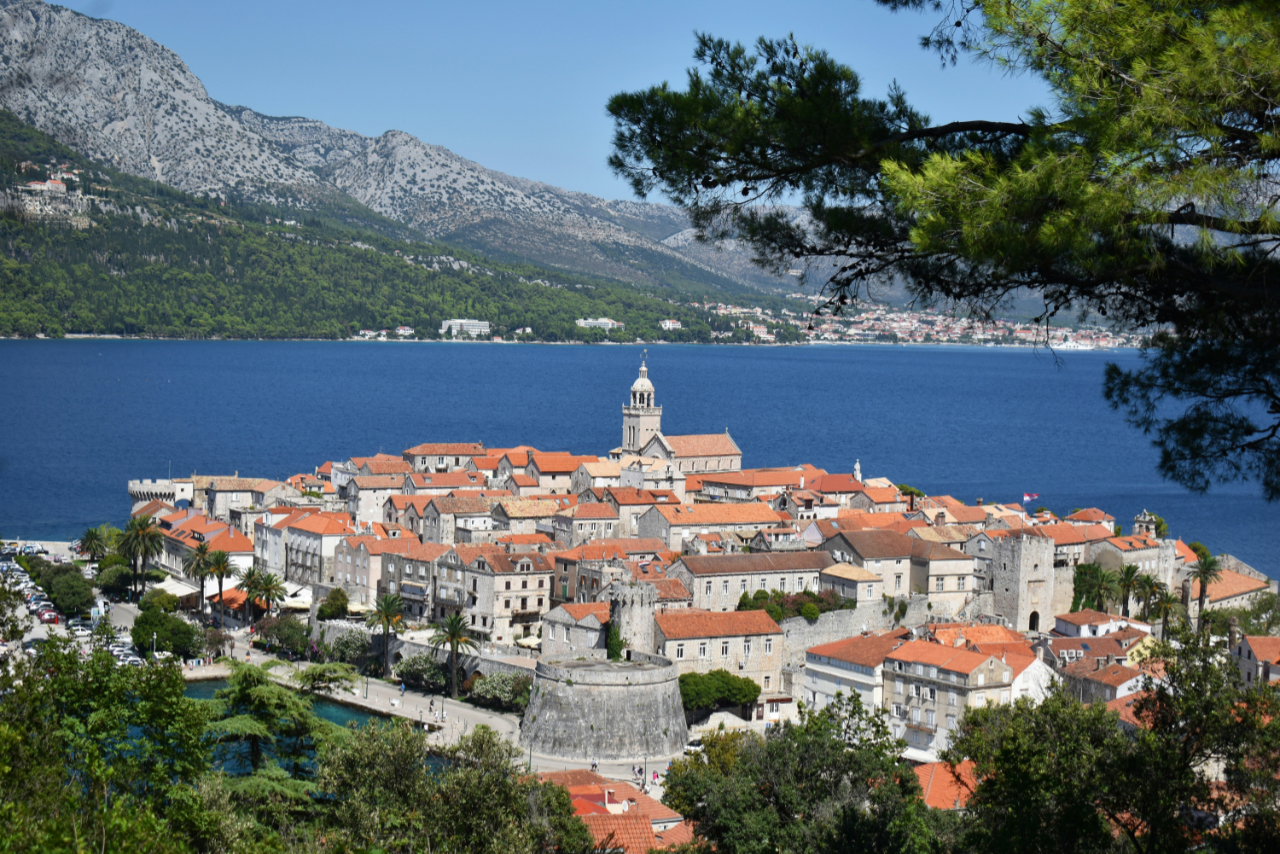
Day 10: Slano to Korčula
The journey continues to the enchanting island town of Korčula, often compared to Dubrovnik for its fortified medieval architecture. The old town sits on a small peninsula shaped like a ship’s prow, surrounded by defensive walls and towers that once protected the island from invaders.
Korčula is famous as the alleged birthplace of Marco Polo, and its narrow streets form a fascinating maze designed to channel cooling sea breezes. Wine lovers will appreciate that the island produces some of Croatia’s most celebrated white wines, particularly Grk and Pošip. Elegant restaurants inside the old town offer refined interpretations of Dalmatian cuisine paired with these exceptional local wines.
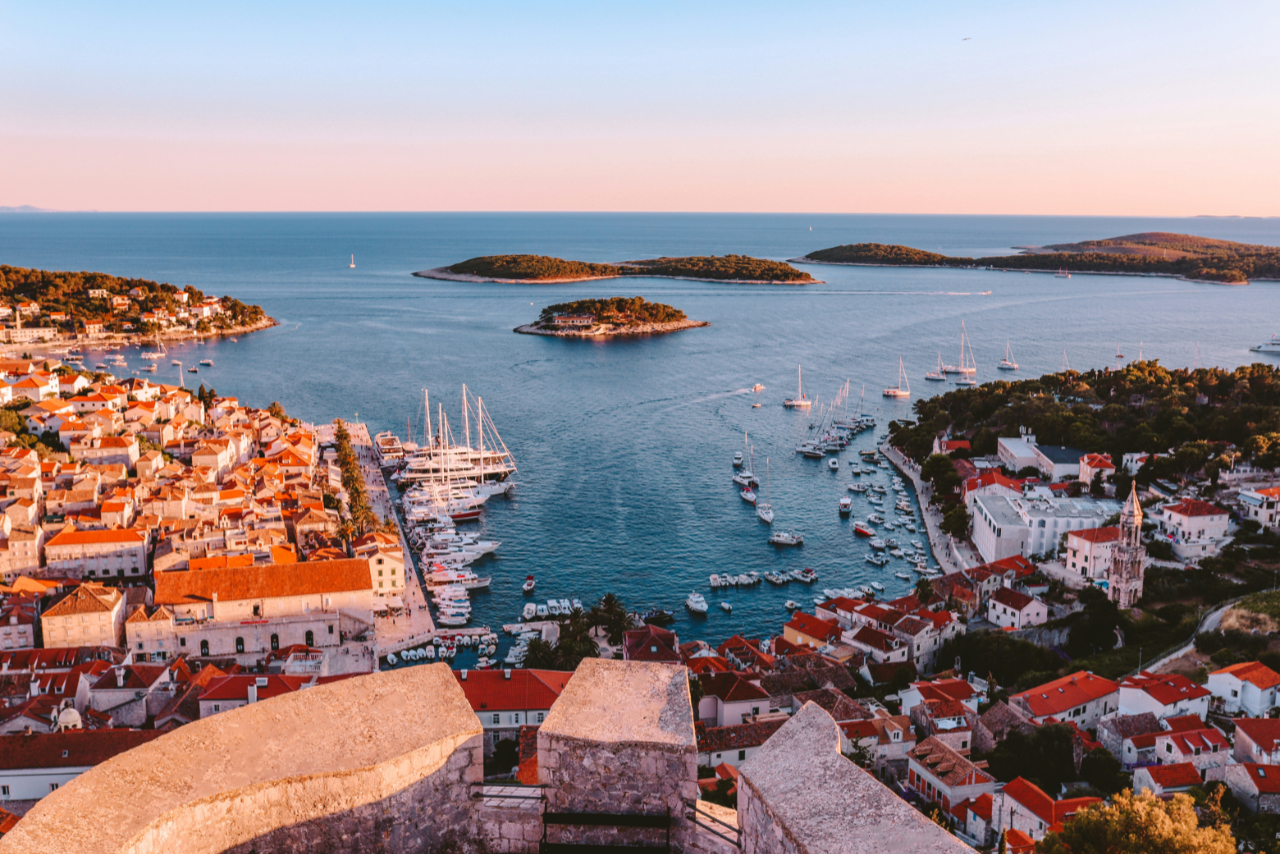
Day 11: Korčula to Hvar and the Pakleni Islands (Palmižana)
Sailing northwest brings you to Hvar, one of the Adriatic’s most glamorous destinations. The historic town square, dominated by the Renaissance cathedral and framed by elegant Venetian buildings, opens toward a lively harbor filled with yachts and traditional boats.
After exploring Hvar Town, the route continues a short distance to the Pakleni Islands, a stunning chain of wooded islets just offshore. Palmižana, the most famous anchorage, offers crystal-clear waters and a botanical garden filled with exotic plants. Renowned seaside restaurants here serve creative Mediterranean cuisine in a relaxed island setting, making it one of the most memorable dinner locations of the entire journey.
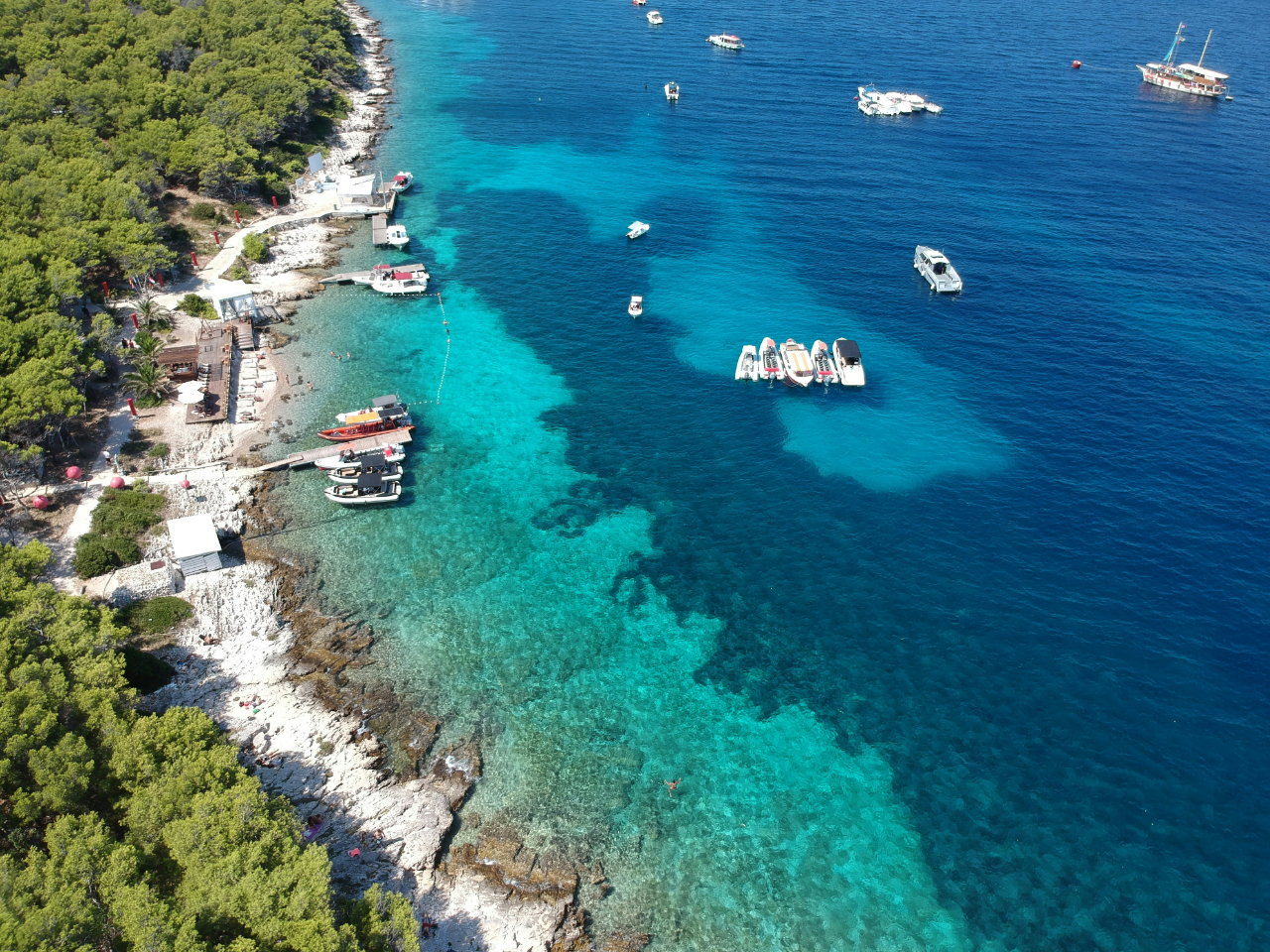
Day 12: Pakleni Islands to Šolta or Brač
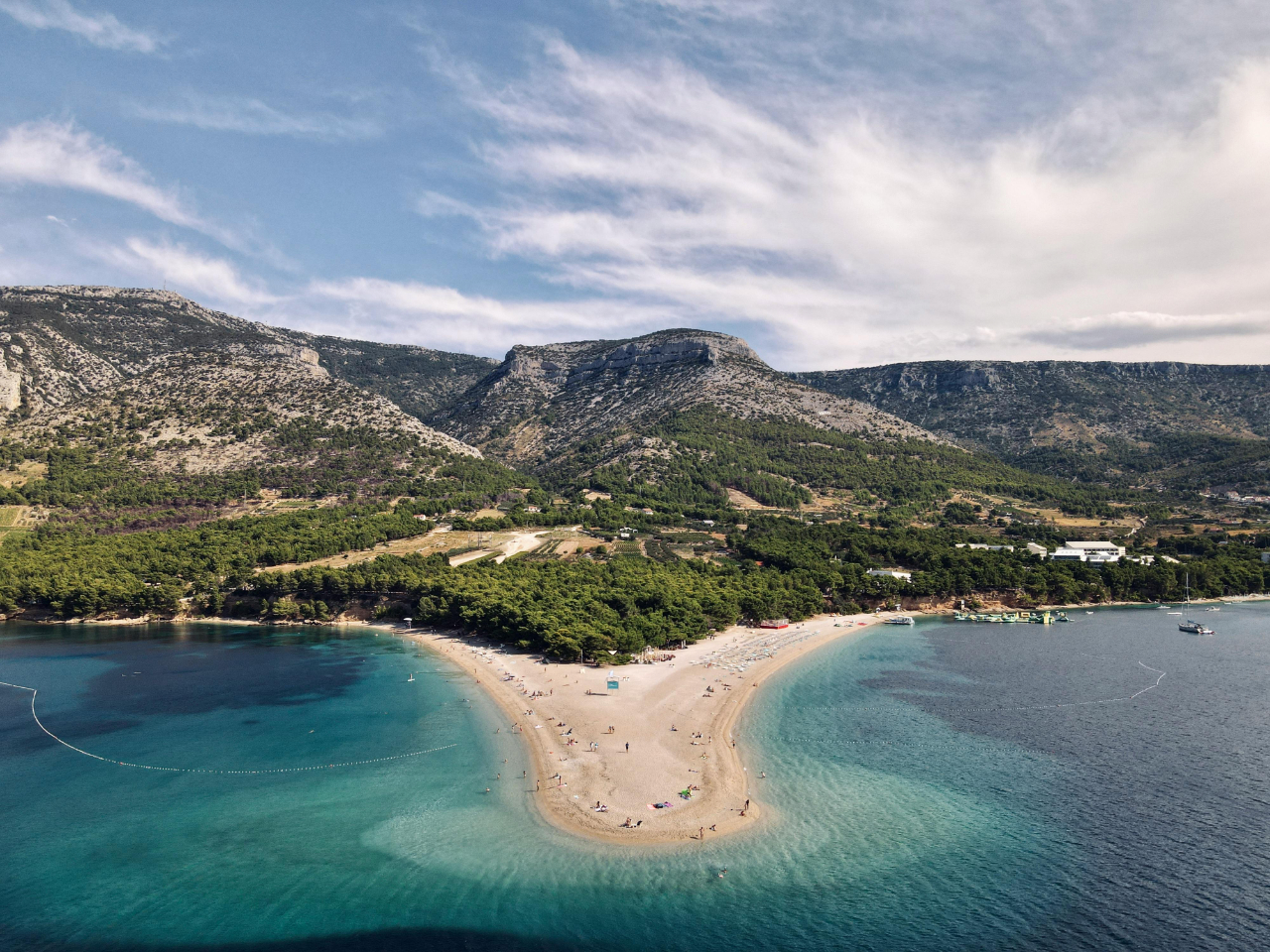
The next sailing day brings a return toward central Dalmatia with an overnight anchorage around the islands of Šolta or Brač. Both islands offer peaceful bays with exceptionally clear water, perfect for swimming and enjoying the natural beauty of the Adriatic away from busy towns.
Šolta is known for its olive oil, honey, and small family wineries, while Brač offers dramatic landscapes and charming stone villages scattered across its hills. Spending the evening at anchor allows guests to fully enjoy the serenity of island life, with only the sound of the sea and the scent of pine trees surrounding the boat.
Day 13: Šolta/Brač to Trogir
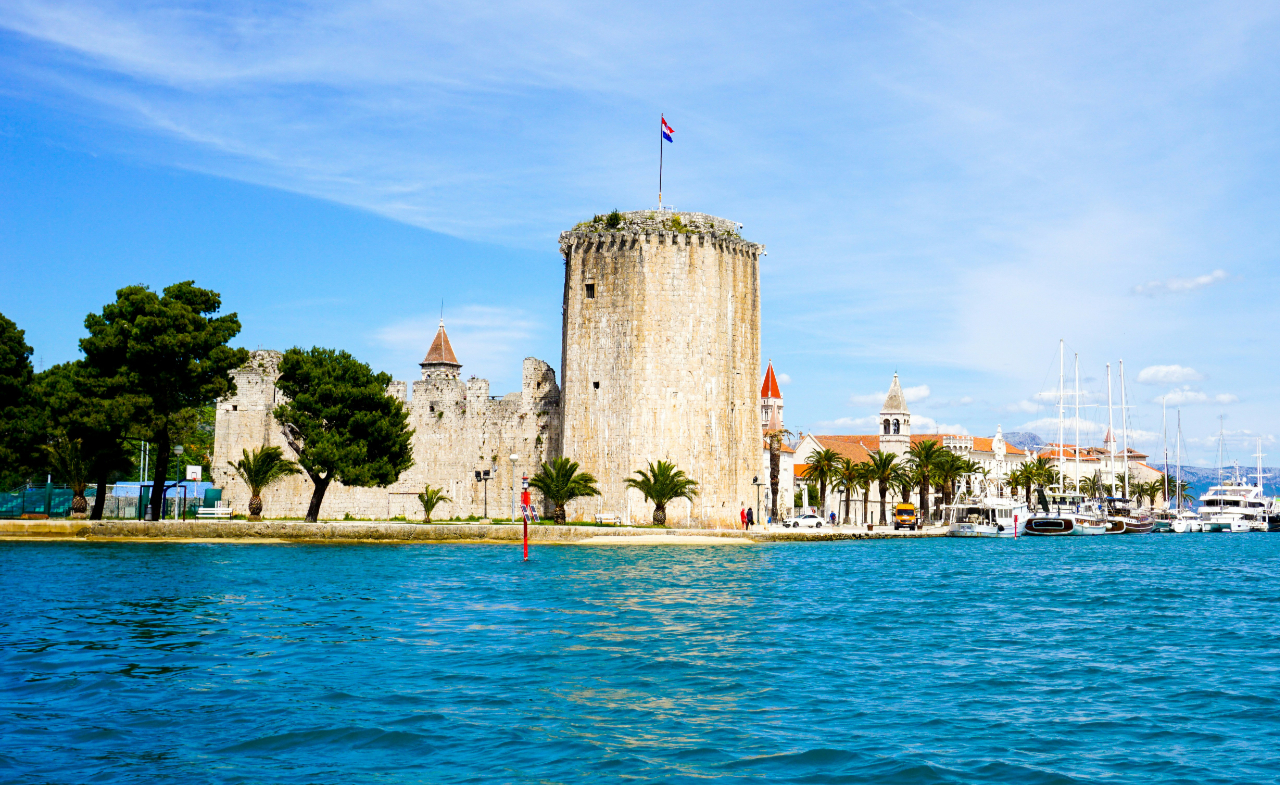
The route continues to Trogir, one of the best-preserved medieval towns in the Mediterranean and another UNESCO World Heritage site. The historic center lies on a tiny island connected by bridges to the mainland and the island of Čiovo, creating a magical setting surrounded by the sea.
Walking through Trogir feels like stepping into a living museum. Romanesque, Gothic, and Renaissance buildings line narrow stone streets leading to the magnificent Cathedral of St. Lawrence, famous for its intricately carved portal by Master Radovan. The waterfront promenade comes alive in the evening with cafés, restaurants, and music drifting across the marina.
Day 14: Trogir to Zlarin or Prvić
The final sailing day before returning to Šibenik leads to the small islands of Zlarin or Prvić, both known for their relaxed pace of life and authentic Dalmatian atmosphere. Zlarin has a long tradition of coral harvesting and jewelry making, while Prvić is famous as the home of Faust Vrančić, the Renaissance inventor who designed an early parachute.
These islands offer quiet harbors, stone houses with colorful shutters, and narrow lanes shaded by fig trees and bougainvillea. Small waterfront restaurants prepare simple island dishes with local ingredients, providing a peaceful and memorable final night of the sailing journey.
Day 15: Return to Šibenik
An early morning sail brings the yacht back to Šibenik, where the journey concludes with check-out at the marina. Before departure, many guests take time to explore the historic old town dominated by the magnificent Cathedral of St. James, a UNESCO-listed masterpiece of Renaissance architecture built entirely from stone.
Šibenik’s maze of stone streets, lively squares, and sea-facing terraces offers a fitting farewell to the Dalmatian coast. With memories of island villages, historic towns, hidden bays, and unforgettable Adriatic sunsets, the two-week sailing route from Šibenik to Dubrovnik and back leaves travelers with a deep appreciation for Croatia’s extraordinary maritime heritage.
Luxury Yacht Charter from Šibenik | Explore the Dalmatian Coast
Set sail from Šibenik and discover Croatia’s stunning islands, hidden bays, and historic coastal towns aboard our fully equipped yachts.
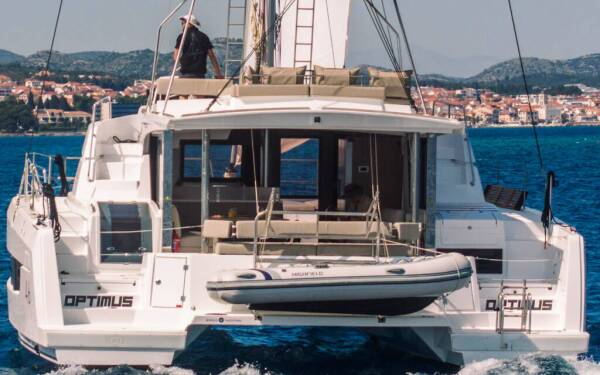
Bali 4.6 Optimus
-
Year 2024
-
Cabins 5 + 2
-
Berths 10 + 2
-
WC 4 + 1
-
Length 14.28 m
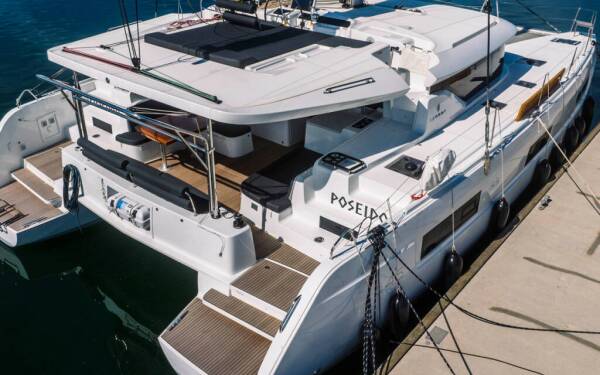
Lagoon 46 Poseidon
-
Year 2024
-
Cabins 4 + 2
-
Berths 8 + 2 + 2
-
WC 4
-
Length 13.99 m
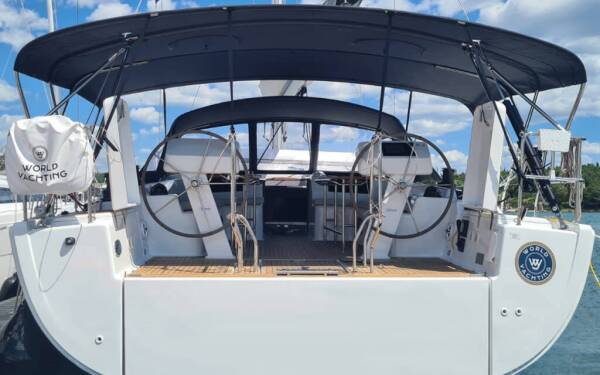
Hanse 508 Ladies G
-
Year 2023
-
Cabins 5 + 1
-
Berths 10 + 1 + 1
-
WC 3
-
Length 15.55 m
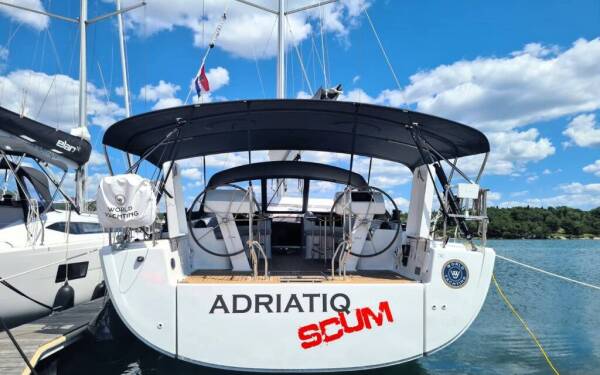
Hanse 508 Adriatiq Scum
-
Year 2023
-
Cabins 5 + 1
-
Berths 10 + 1 + 1
-
WC 3
-
Length 15.55 m
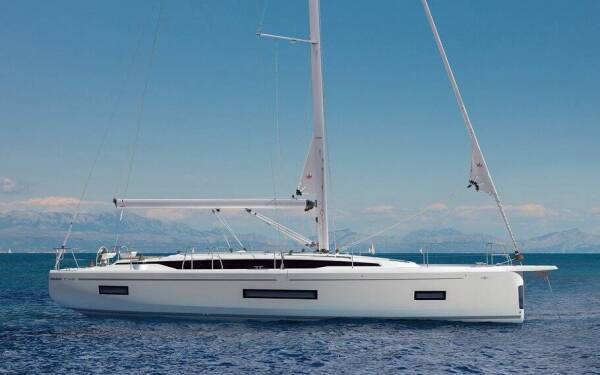
Bavaria C46 Rib Eye
-
Year 2025
-
Cabins 5
-
Berths 10
-
WC 3
-
Length 14.50 m
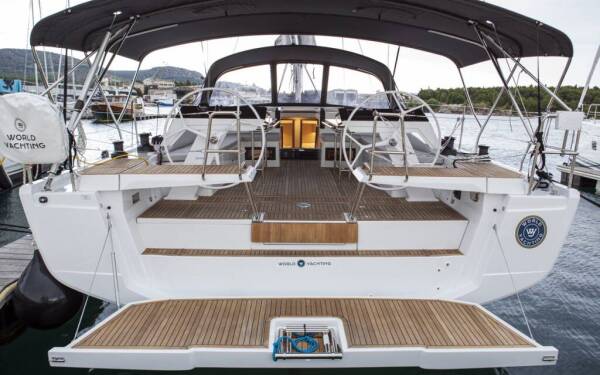
Hanse 460 White Pearl
-
Year 2023
-
Cabins 5
-
Berths 10
-
WC 3
-
Length 14.60 m
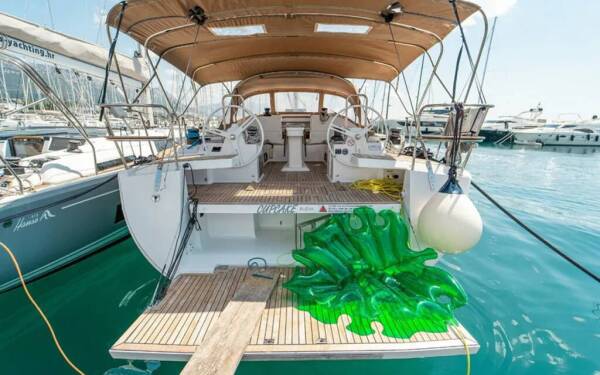
Elan Impression 50 Cupcake
-
Year 2019
-
Cabins 5
-
Berths 10 + 2
-
WC 2
-
Length 15.20 m
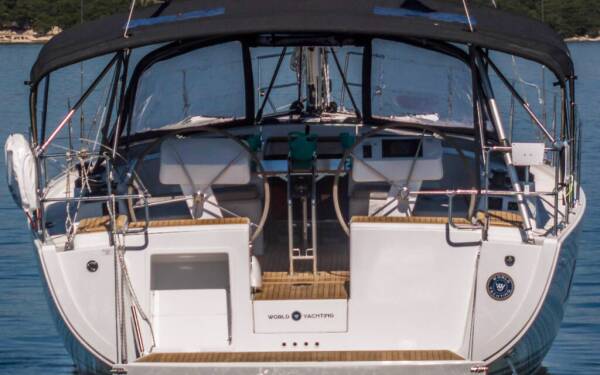
Hanse 458 Deep Sea
-
Year 2024
-
Cabins 4
-
Berths 8 + 2
-
WC 2
-
Length 14.04 m